 English
 中文版
 西班牙语
 阿拉伯语
 俄语
 朝鲜语
 泰语
 越南语
 波斯语
 德语
 土耳其语
 日本語
 葡萄牙语






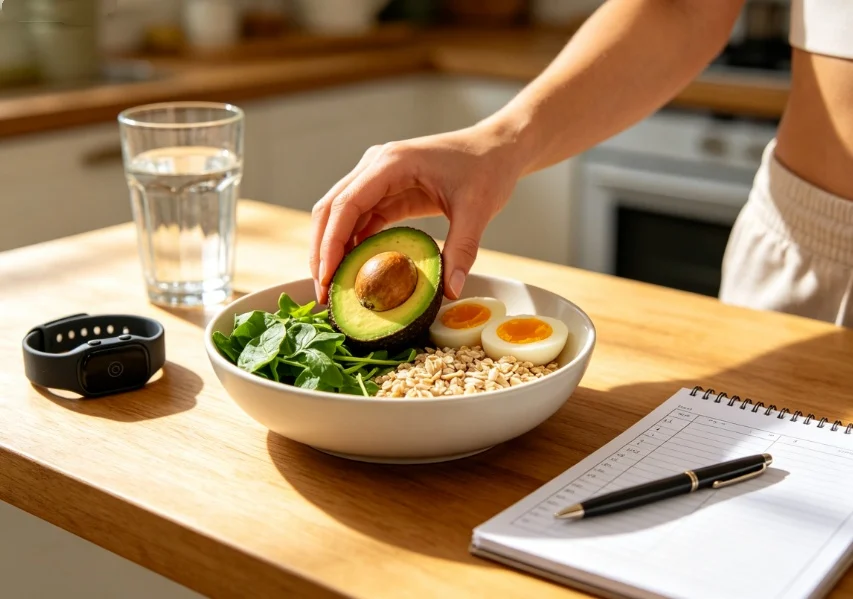
Weight loss drugs like Ozempic, Wegovy and Mounjaro have changed the experience for many who struggle with weight loss. They help suppress appetite, regulate blood sugar, and make it easier to eat less without feeling like you’re constantly fighting hunger. But here’s the thing — medication alone won’t magically transform your health. If you want lasting results, the way you live your daily life matters just as much as the number on the scale.
Weight loss isn’t just about what you eat. It’s about how you move, your sleep quality, stress management, and the small habits that shape your daily life. When these factors align with your weight loss goals, you’ll see better results — not just short-term, but long-term. Medication can lower the barrier to eating less, but habits determine whether the change sticks.
Build a Balanced, Sustainable Plate
Extreme restriction rarely lasts. A more workable approach is to structure meals around adequate protein, vegetables and fiber, which support satiety and help preserve lean mass while in a calorie-reduced state. Fiber from vegetables, whole grains and legumes, plus enough water, helps manage appetite between meals. Sugary drinks, frequent snacks and highly processed foods tend to drive hunger spikes, while planned meals make portion control easier.
There is no single diet that fits everyone. The best eating pattern is one you can maintain week after week, with enough variety to avoid burnout. If you have specific health conditions, medication or dietary restrictions, a doctor or dietitian can tailor the plan to your situation.
Move More, But Make It Enjoyable
You don’t need high-intensity workouts to lose weight. The good news? Even tiny amounts of activity throughout the day add up. Walk a little more, stretch while watching TV, stand instead of sit — these small adjustments can make a difference over time. Regular movement also supports muscle retention, mood and metabolic health, which matter as much as the weight itself.
Strength work a couple of times a week can help preserve muscle while body composition changes, and daily walking is one of the most accessible habits to keep consistent. Choose activities you look forward to, because consistency beats intensity over a long program.
Sleep: The Secret Weapon of Weight Loss
Most people underestimate the impact of sleep on weight loss. Lack of sleep disrupts your hunger hormones, making cravings stronger and willpower weaker. Get at least seven hours of quality sleep every night, and keep a regular bedtime and wake-up schedule where possible. Poor sleep also raises stress levels and makes it harder to make considered food choices the next day.
A wind-down routine — limiting screens before bed, keeping the room dark and cool, and avoiding heavy meals late in the evening — can improve sleep quality without requiring major lifestyle overhauls.
Less Stress, More Loss
Long-term stress leads to elevated cortisol levels, which can trigger emotional eating, stubborn belly fat, and sleep disruption. Managing stress can be simple:
- Take a few deep breaths before reacting to stress.
- Step outside for fresh air when feeling overwhelmed.
- Call a friend instead of stress eating.
- Write a five-minute journal entry at night to clear your mind.
- Keep a regular daily routine so meals, movement and rest do not drift.
Track More Than the Scale
Weight fluctuates day to day with water, digestion and hormones, so weighing every morning can be misleading. Measure progress in several ways: how clothes fit, energy levels, strength, walking capacity, and how habits are holding up over weeks rather than hours. Keeping a simple weekly note makes patterns visible without the anxiety of daily fluctuations.
Stay Consistent and Adjust Gradually
Plateaus are normal. If progress stalls for several weeks, review diet, activity, sleep and stress before making drastic changes. Small, deliberate adjustments work better than another extreme restart. Remember that medication and lifestyle support each other; neither replaces medical supervision.
This article is general wellness information and does not replace medical advice. If you are taking any weight management medication or have a health condition, discuss your diet, exercise and any changes with your prescribing clinician.