 English
 中文版
 西班牙语
 阿拉伯语
 俄语
 朝鲜语
 泰语
 越南语
 波斯语
 德语
 土耳其语
 日本語
 葡萄牙语

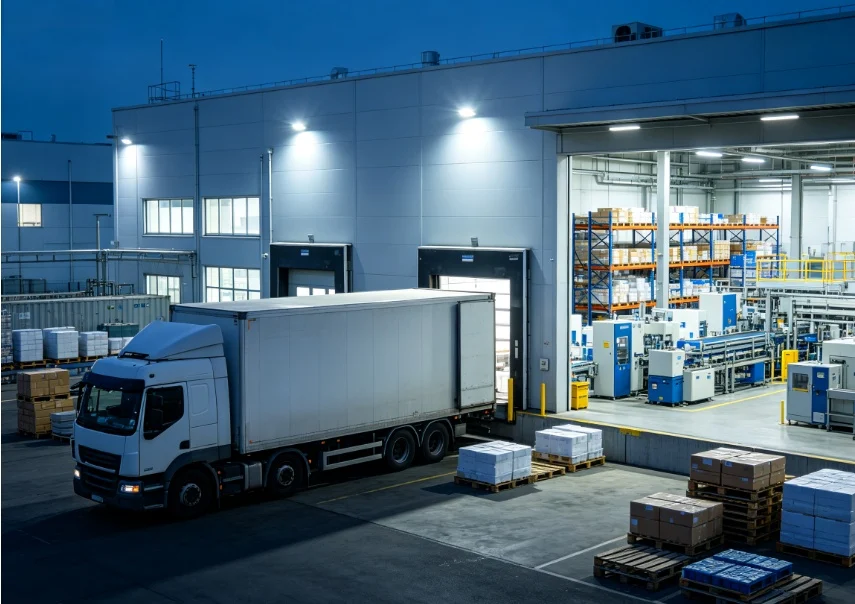
For B2B peptide buyers, supply reliability matters as much as product price. A single production site creates a single point of failure: equipment downtime, regulatory inspection, logistics disruption or a capacity spike can all delay orders. A dual-base production model spreads production across two coordinated facilities, which is why supply-chain resilience has become a key consideration in peptide sourcing.
The Dual-Base Layout
Vitalis operates coordinated production bases covering peptide synthesis, purification, lyophilization and packaging, with quality control records and COA documentation maintained across both sites. The two bases share standardized operating procedures, purity targets and documentation requirements, while allowing different technical routes and product lines to be allocated according to capacity and specialization.
Advantages of the Dual-Base Model
- Capacity assurance: Two bases can run in parallel, supporting larger orders and shorter lead times without overloading a single line.
- Risk diversification: If one site faces downtime or disruption, production can be shifted to the other, reducing the chance of a missed delivery.
- Technical complementarity: Different bases can focus on different synthesis routes, product families or scale levels, matching the right process to each peptide.
- Consistent quality standards: Shared SOPs, QC testing and batch records help keep specifications consistent across output from either site.
- Cost optimization: Scale allocation across two facilities helps balance unit cost without sacrificing batch-to-batch consistency.
How the Production Flow Works
A typical order moves through research and custom synthesis, pilot-scale confirmation, scale-up production, QC testing and final packaging. The dual-base structure lets R&D and small-batch work stay flexible while larger volume production is allocated to the site best suited to that product line. Batch numbers, test results and COA records travel with each shipment so the buyer can trace material back to its production source.
Typical Application Scenarios
- Large-volume commercial orders that need dependable delivery dates.
- Multi-product programs running several peptide lines in parallel.
- Urgent replenishment or backfill after a supply interruption.
- Custom synthesis projects that move from small batches toward scale-up.
Quality and Traceability
Resilience does not replace quality control. Every batch should still carry a COA with purity, identity, moisture and other test results, along with a traceable batch number. Buyers can request documentation before placing volume orders to confirm that both production sites follow the same testing and record-keeping standards.
Questions Buyers Commonly Ask
- Can both bases produce the same specification? Shared SOPs and QC targets keep specifications consistent across output, but always confirm the exact COA for the batch you receive.
- How are batches traced? Each shipment carries a batch number that links back to its production records and QC test results.
- What if one base is temporarily unavailable? Orders can be reallocated to the other base according to product fit, technical route and available capacity.
- Can a project start small and scale later? Yes: custom synthesis and pilot batches can move into larger production as demand grows, with documentation carried through each stage.
The dual-base model is presented here for B2B supply planning context. Products are research-use materials, not for human, veterinary, food or cosmetic application.